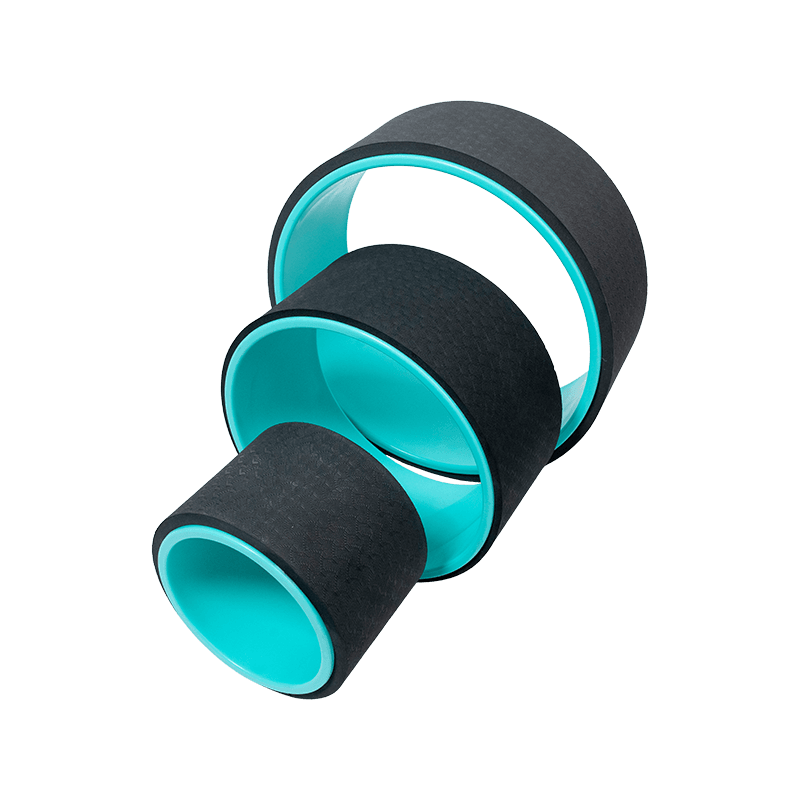



A fascia di resistenza per il fitness è un pezzo di materiale elastico, solitamente lattice, tessuto o gomma, che fornisce una resistenza progressiva quando allungato. È uno degli strumenti più versatili ed economici per l'esercizio fisico, utilizzato da pazienti in riabilitazione, atleti d'élite e utenti di palestre domestiche. A differenza dei pesi liberi che si basano sulla gravità, le fasce di resistenza creano tensione durante l'intera gamma di movimento, sfidando i muscoli in un modo che può integrare o addirittura sostituire manubri e bilancieri. Comprensione come utilizzare le fasce di resistenza per l'esercizio sblocca efficacemente centinaia di movimenti, dalla delicata riabilitazione della spalla alle presse per le gambe pesanti. Questa guida risponde alle domande fondamentali sull'allenamento della banda, a partire dalla fisica di base come funzionano le bande di resistenza a se le fasce di resistenza possono sostituire i pesi per costruire muscoli seri.
Cos'è un Fascia di resistenza fitness e come funzionano?
La risposta più semplice a cos'è una fascia di resistenza per il fitness è che si tratta di uno strumento di esercizio portatile ed elastico progettato per aggiungere forza ai movimenti del corpo. I cinturini sono disponibili in diverse forme: cinturini ad anello lungo, mini cinturini, cinturini a tubo con maniglie e cinturini per fianchi in tessuto. La resistenza che forniscono è governata dalla Legge di Hooke: più la fascia viene allungata, maggiore è la forza opposta che genera. Questo è fondamentalmente diverso da un manubrio, che esercita una forza costante verso il basso a causa della gravità.
Durante l'esplorazione come funzionano le bande di resistenza , aiuta a pensare alla curva di resistenza. Un tipico curl con manubri è più difficile nel punto medio quando l'avambraccio è orizzontale e più facile nella parte superiore e inferiore. Una fascia, al contrario, offre la resistenza più bassa all'inizio del movimento e quella più alta nel punto di picco della contrazione, dove la fascia è maggiormente tesa. Questo profilo di resistenza ascendente significa che il muscolo è costretto a lavorare di più man mano che si accorcia, il che può portare a un maggiore reclutamento di fibre muscolari nella posizione completamente contratta. Questa proprietà rende le fasce particolarmente efficaci per esercizi come presse per il petto, rematori e squat, in cui la curva di forza naturale corrisponde alla crescente tensione della fascia.
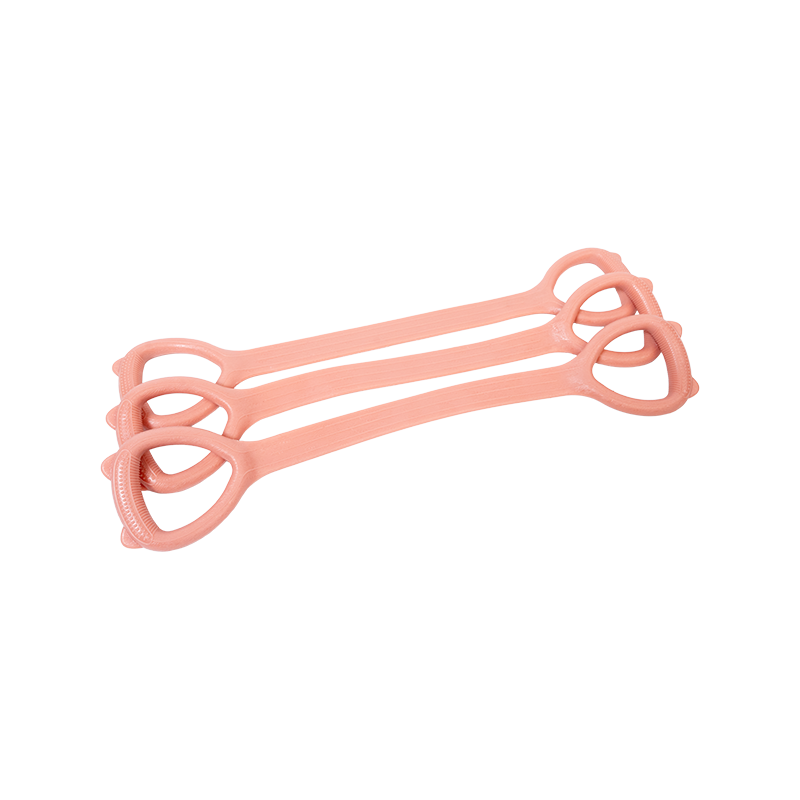
Vantaggi dell'allenamento con fasce di resistenza e a cosa servono
Il benefici dell'allenamento con fascia di resistenza vanno ben oltre la comodità. Gli elastici sono leggeri, comprimibili e silenziosi, ma i loro effetti sull'allenamento sono supportati da ricerche approfondite. Uno studio pubblicato sul Journal of Physical Therapy Science ha rilevato che l’allenamento con resistenza elastica ha prodotto guadagni di forza paragonabili a quelli ottenuti con macchine isotoniche negli anziani, mentre una meta-analisi separata pubblicata sull’European Journal of Applied Physiology ha confermato che l’allenamento con la fascia può aumentare la dimensione e la forza muscolare sia negli individui non allenati che in quelli allenati se utilizzato con intensità sufficiente.
Per quanto riguarda a cosa servono le fasce di resistenza , l'elenco copre quasi tutti gli obiettivi di fitness:
- Allenamento della forza: Le bande possono fornire fino a 150 kg (330 libbre) di resistenza quando stratificato, sufficiente per sfidare anche gli atleti avanzati su movimenti composti come stacchi e presse dall'alto.
- Ipertrofia muscolare: Allenamento con le fasce in Intervallo di ripetizioni 8-12 fino al quasi cedimento induce stress metabolico e tensione meccanica, i due fattori principali della crescita muscolare.
- Riabilitazione e prehab: I fisioterapisti utilizzano fasce luminose per ricostruire la forza dopo un infortunio senza applicare carichi di compressione sulle articolazioni. Le routine di rafforzamento della cuffia dei rotatori e dell'anca fanno molto affidamento sulle fasce.
- Flessibilità e mobilità: Lo stretching assistito con le fasce può migliorare la libertà di movimento. Uno studio del 2019 ha dimostrato che gli allungamenti dei tendini del ginocchio assistiti da una fascia hanno aumentato le prestazioni sit-and-reach di 12% nell'arco di quattro settimane.
- Riscaldamento e attivazione: Le mini fasce attorno alle ginocchia durante gli squat o i ponti dei glutei attivano il gluteo medio in modo più efficace rispetto al solo peso corporeo, riducendo il rischio di lesioni.
- Resistenza accomodante per il powerlifting: Attaccare le fasce a un bilanciere aumenta la resistenza mentre l'atleta si avvicina al blocco, sviluppando potenza esplosiva attraverso il punto di attacco.
Come scegliere la fascia di resistenza giusta
Conoscere come scegliere la fascia di resistenza giusta dipende dall'uso previsto, dal livello di forma fisica attuale e dal tipo di esercizi che intendi eseguire. Le bande sono codificate a colori in base al livello di resistenza, sebbene la mappatura specifica vari a seconda del produttore. Di seguito è mostrata una progressione tipica, dal più leggero al più pesante.
| Colore della fascia | Livello di resistenza | ca. Forza al 100% di allungamento | Miglior utilizzo |
|---|---|---|---|
| Giallo/Extra Chiaro | Molto leggero | 2–5 kg (5–10 libbre) | Riabilitazione, mobilità, riscaldamento |
| Rosso/Luce | Luce | 5–10 kg (10–25 libbre) | Principianti, tonificazione ad alte ripetizioni |
| Verde/Medio | Medio | 10–15 kg (25–35 libbre) | Forza generale per la maggior parte degli esercizi |
| Blu/pesante | Pesante | 15–25 kg (35–55 libbre) | Utenti esperti, ascensori composti |
| Nero/Extra pesante | Molto pesante | 25–45 kg (55–100 libbre) | Forza avanzata, trazioni assistite |
| Argento/professionista | Ultrapesante | 45–90 kg (100–200 libbre) | Stacchi, lavoro accessorio del powerlifting |
Per una palestra domestica completa, possedere un set da tre a cinque elastici (leggeri, medi, pesanti ed extra pesanti) copre praticamente tutti i movimenti. Le fasce ad anello sono ideali per i pull-up e il lavoro sulla parte inferiore del corpo, mentre le fasce tubolari con maniglie sono più comode per press e curl. Le fasce in tessuto resistono al rotolamento e sono preferite per gli esercizi di attivazione dei glutei. Prima dell'uso, controlla sempre che i cinturini non presentino piccoli strappi, poiché anche un piccolo graffio può far sì che il cinturino si spezzi sotto tensione, un rischio che può essere mitigato sostituendo i cinturini ogni 12–24 mesi con un uso regolare.
Come iniziare l'allenamento con la fascia di resistenza
Il best way to answer come iniziare l'allenamento con la fascia di resistenza consiste in una semplice routine per tutto il corpo eseguita due o tre volte alla settimana. Inizia con un riscaldamento di cinque minuti di allungamenti dinamici e movimenti leggeri con fasce, quindi procedi con esercizi fondamentali che coprono tutti i principali gruppi muscolari. Una sessione iniziale di esempio potrebbe includere:
- Squat fasciato: Posizionarsi su una fascia a media resistenza e tenere l'altra estremità all'altezza delle spalle. Esegui 3 serie da 12-15 ripetizioni per colpire i quadricipiti e i glutei.
- Riga piegata: Mettiti in piedi sulla fascia, fai perno sui fianchi e tira la fascia verso la vita. Completo 3 serie da 10-12 ripetizioni per la schiena e i bicipiti.
- Pressa per il petto: Ancora la fascia dietro di te all'altezza del petto (o usa un ancoraggio per la porta) e spingi in avanti. 3 serie da 10-12 ripetizioni .
- Pressa dall'alto: Mettiti in piedi sulla fascia e premi direttamente sopra la testa. 3 serie da 10-12 ripetizioni per le spalle.
- Stacco con fascia: Mettiti su una fascia pesante, accovacciati per afferrarla e alzati. 3 serie da 8-10 ripetizioni per la catena posteriore.
Il key to progressing with bands is to track the point at which the band is anchored, the number of bands used, and the repetition range. Once you can complete the upper end of the rep range with good form, increase the resistance by switching to a thicker band, doubling up bands, or shortening the starting length of the band to create more pre‑stretch. This form of progressive overload is as valid as adding plates to a barbell, and research confirms that linear progression with elastic resistance leads to consistent strength gains over 8-12 settimane cicli di formazione.
Come costruire muscoli con le fasce di resistenza
Il question come costruire muscoli con le fasce di resistenza viene affrontato comprendendo il principio base dell'ipertrofia: il muscolo deve essere sottoposto a sufficiente tensione meccanica e stress metabolico, tipicamente ottenuti attraverso serie effettuate in prossimità del cedimento. Uno studio del 2020 pubblicato sul Journal of Sports Science and Medicine ha confrontato direttamente la pressa toracica con fascia e con manubri e non ha rilevato differenze significative nell'aumento dello spessore dei muscoli pettorali e tricipiti dopo otto settimane di allenamento, a condizione che l'allenamento sia stato eseguito a un livello di sforzo simile.
Per massimizzare la crescita muscolare con le fasce, applicare le seguenti strategie:
- Enfatizzare la posizione allungata: Poiché le fasce hanno una bassa resistenza iniziale, assicurarsi che la posizione iniziale metta già in tensione il muscolo target. Ad esempio, durante una fila con fascia, la fascia dovrebbe essere tesa prima di iniziare a tirare.
- Utilizza fasce ad alta resistenza e poche ripetizioni: Scegli una banda che lo consenta solo 8-12 ripetizioni di qualità prima del momentaneo fallimento. Lo sforzo deve essere elevato; una fascia che consente 25 ripetizioni facili non stimolerà la crescita.
- Incorpora pause e ritmo: Mantenendo la posizione contratta per 2–3 secondi e abbassamento sotto controllo per 3–4 secondi aumenta il tempo sotto tensione, variabile chiave per l'ipertrofia con carichi più leggeri.
- Combina le fasce con il peso corporeo: L'aggiunta di una fascia alle flessioni o ai trazioni aumenta la resistenza oltre il solo peso corporeo. Uno studio ha dimostrato che le flessioni con fascia attivano i pettorali e i tricipiti in misura significativamente maggiore rispetto alle flessioni standard.
Il ascending resistance profile of bands actually favors chest, shoulder, and quad development because the peak tension coincides with the point of maximum contraction. This is why lateral raises and banded leg extensions feel particularly effective. With a properly selected band that allows sets taken near failure, muscle gain is a realistic and well‑supported outcome.
Le fasce di resistenza possono sostituire i pesi?
Il question le fasce di resistenza possono sostituire i pesi ha una risposta articolata: per la maggior parte degli obiettivi di fitness generali, compreso l’aumento della massa muscolare e il miglioramento della forza, la risposta è sì, con alcuni avvertimenti. Per lo sviluppo massimo della forza nel powerlifting, i bilancieri rimangono insostituibili perché consentono un carico incrementale preciso sopra 200 kg (440 libbre) , un livello che le band non possono facilmente eguagliare. Tuttavia, per il stragrande maggioranza degli utenti , le fasce forniscono tutta la resistenza necessaria per costruire un fisico forte e muscoloso.
Un’analisi comparativa dell’allenamento con la fascia e con i pesi evidenzia i seguenti punti chiave:
- Guadagni di forza: Una meta-analisi che copre 16 studi ha rilevato che l’allenamento con resistenza elastica ha aumentato la forza del 21–28% in media, che è paragonabile ai guadagni osservati con i tradizionali protocolli di allenamento con i pesi.
- Attivazione muscolare: Per esercizi come la pressa per le spalle, l'allenamento con la fascia può eguagliare o addirittura superare l'attivazione muscolare dell'allenamento con manubri a causa della necessità di stabilizzare il percorso della fascia. I dati dell’elettromiografia (EMG) confermano un’attivazione di picco simile o maggiore in alcuni muscoli.
- Limitazioni per la forza massima della parte inferiore del corpo: È difficile replicare a Squat con bilanciere da 180 kg (400 libbre). utilizzando solo le bande. Tuttavia, raddoppiare gli elastici pesanti può fornire una resistenza sostanziale e le variazioni su una gamba sola, come gli squat divisi, aumentano il carico per gamba.
- Vantaggi pratici: Le fasce costano 80–90% in meno di un set di manubri che coprono lo stesso range di resistenza e possono essere riposti in un cassetto. Per i viaggiatori o per chi ha spazio limitato, ciò rende notevolmente più semplice l’adesione all’allenamento.
In pratica, molti atleti utilizzano le fasce come complemento ai pesi liberi piuttosto che come sostituzione totale, aggiungendo resistenza variabile ai bilancieri o utilizzando le fasce nelle settimane di scarico. Ma per un allenamento a casa che non ha accesso a una palestra completa, una serie di fasce di resistenza è sufficiente per raggiungere e mantenere un elevato livello di forma muscolare a tempo indeterminato.
Quanto sono efficaci le fasce di resistenza per gli allenamenti?
Nel valutare quanto sono efficaci le fasce di resistenza per gli allenamenti , le prove sono chiare: sono altamente efficaci in molteplici dimensioni del fitness: forza, ipertrofia, resistenza e riabilitazione. L'esclusivo profilo di resistenza impegna i muscoli stabilizzatori più delle macchine e la portabilità rimuove le barriere per un esercizio costante. Un sondaggio condotto su oltre 1.000 tirocinanti domestici ha rilevato che coloro che utilizzavano le fasce di resistenza lo erano 40% più probabile ad aderire al proprio programma per più di sei mesi rispetto a coloro che si affidavano esclusivamente agli esercizi a corpo libero, probabilmente perché le fasce forniscono una progressione tangibile che mantiene alta la motivazione.
L'efficacia varia in base al modo in cui viene utilizzata la fascia. Una fascia leggera utilizzata per i cerchi con le braccia ad alte ripetizioni non costruirà un fisico muscoloso, ma la stessa fascia raddoppiata e utilizzata per le distensioni a pavimento in pausa vicino al cedimento guiderà l'adattamento. Si applica il principio di specificità dell'allenamento: le fasce sono più efficaci quando la resistenza è impegnativa, il volume è adeguato e gli schemi di movimento sono in linea con gli obiettivi dell'utente. Quando queste condizioni sono soddisfatte, gli allenamenti con la fascia di resistenza non sono solo un sostituto di una palestra: sono una modalità di allenamento completa a pieno titolo, in grado di fornire guadagni misurabili in forza e massa muscolare per tutta la vita.