



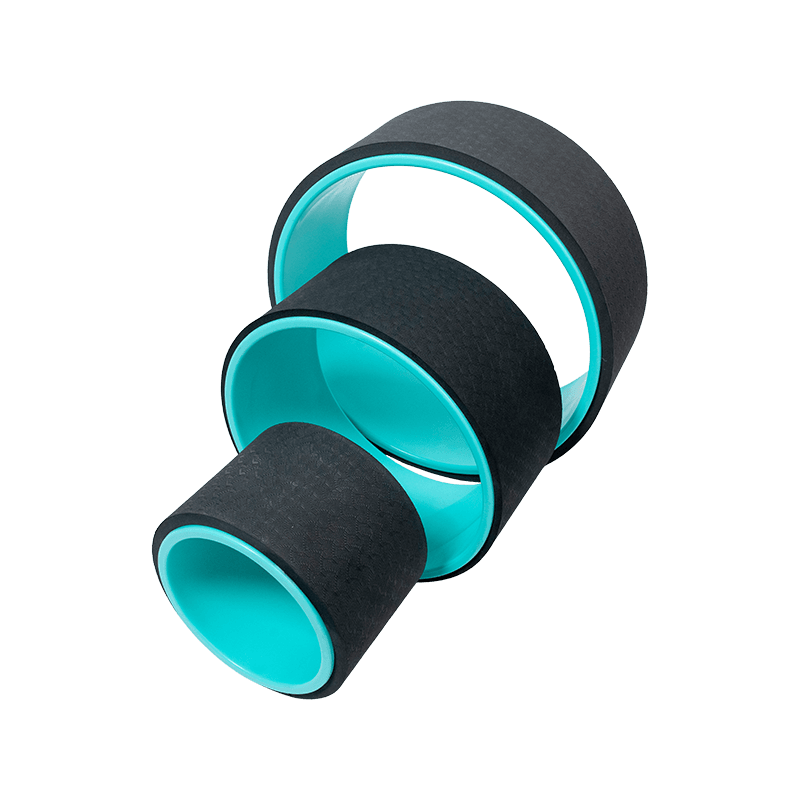
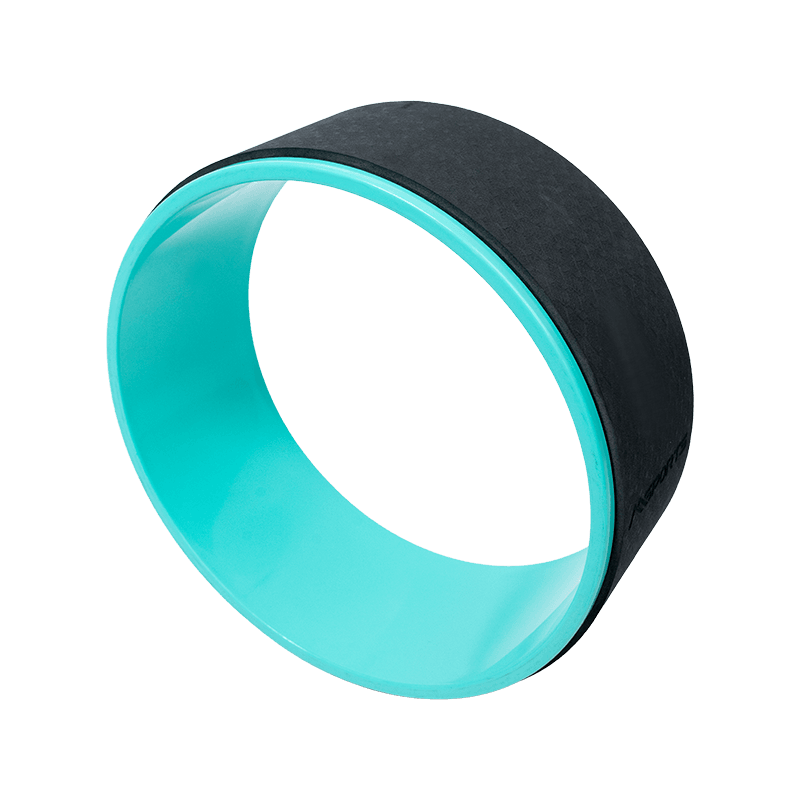
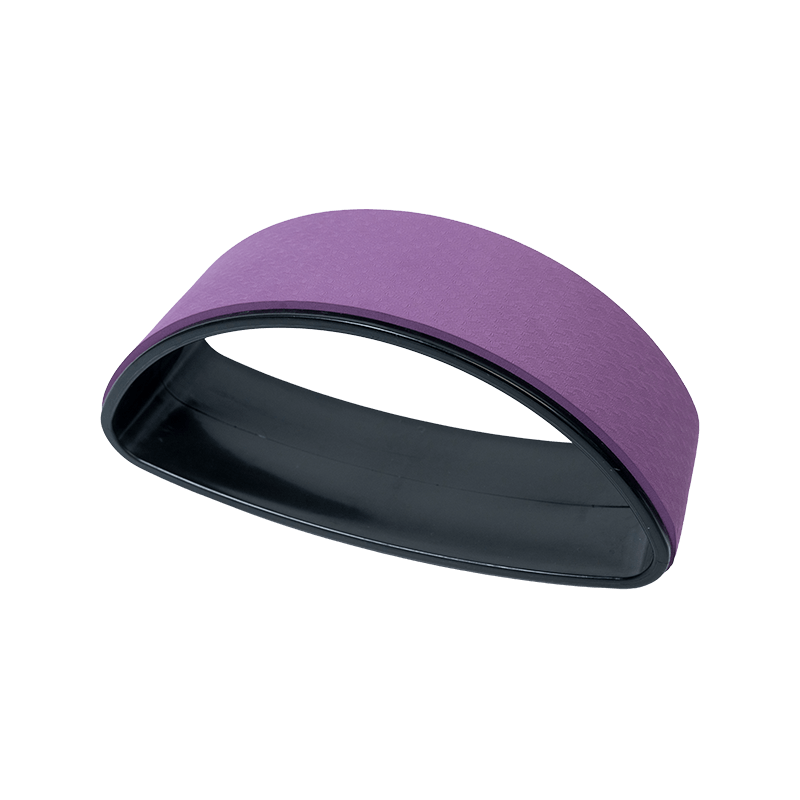
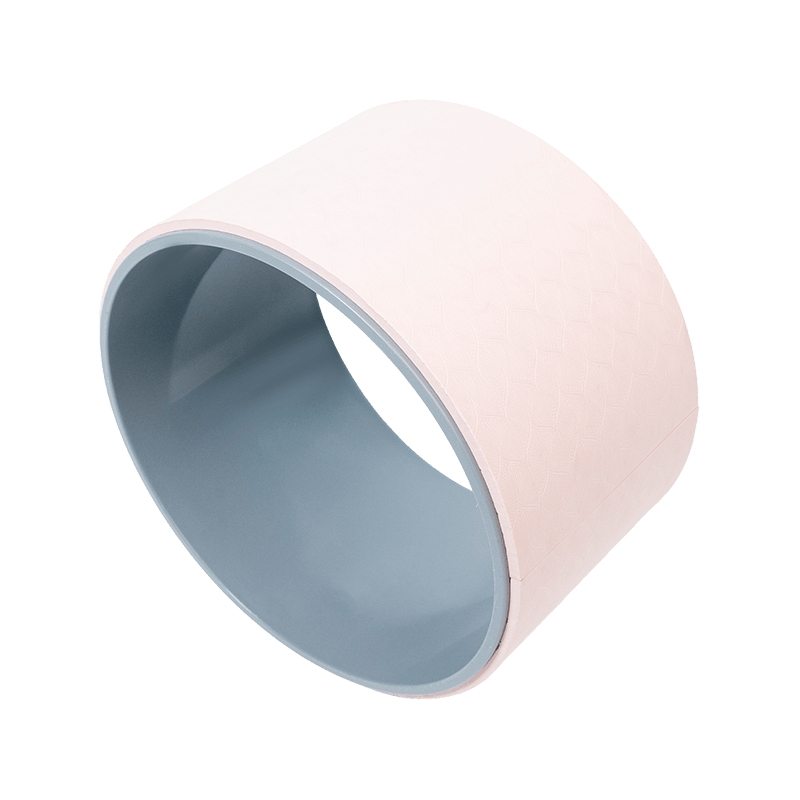
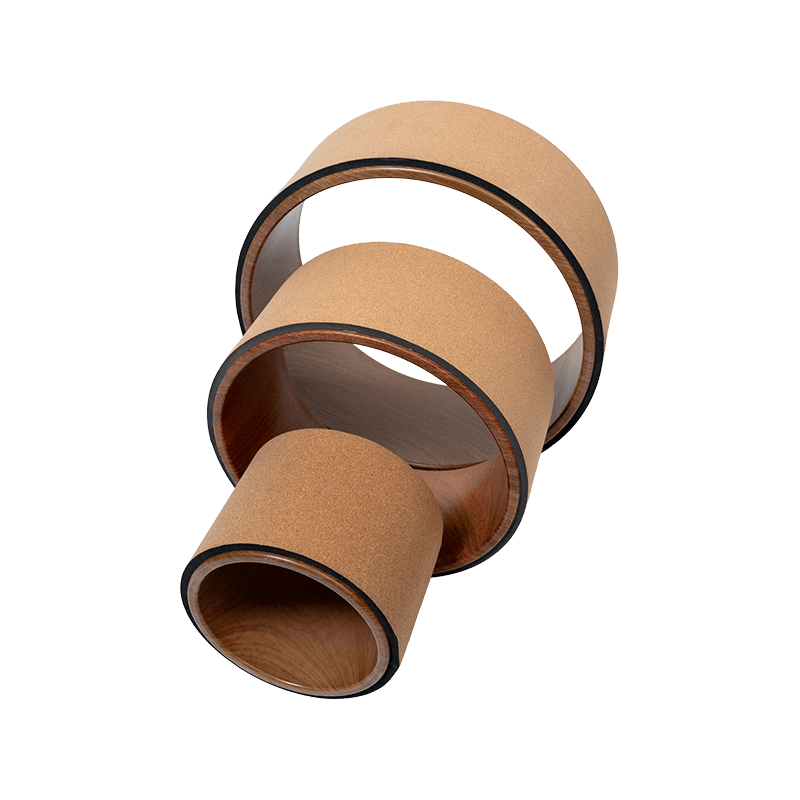
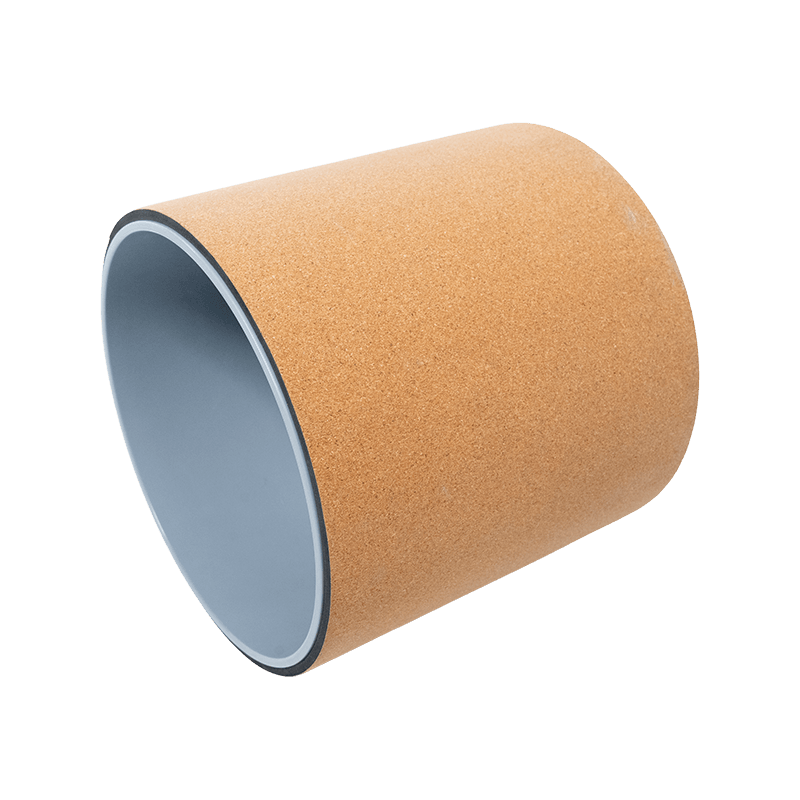
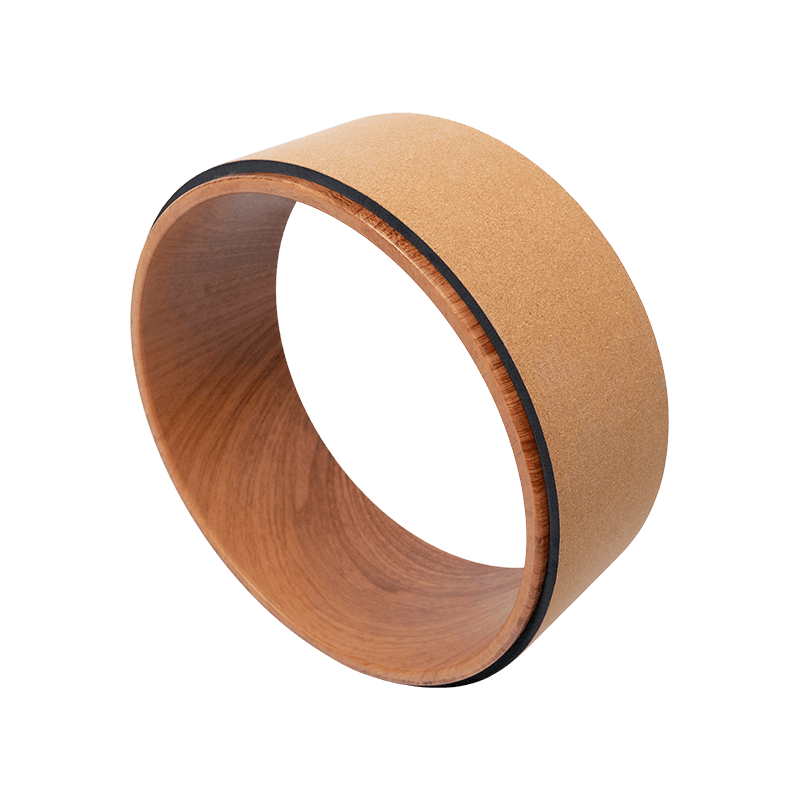
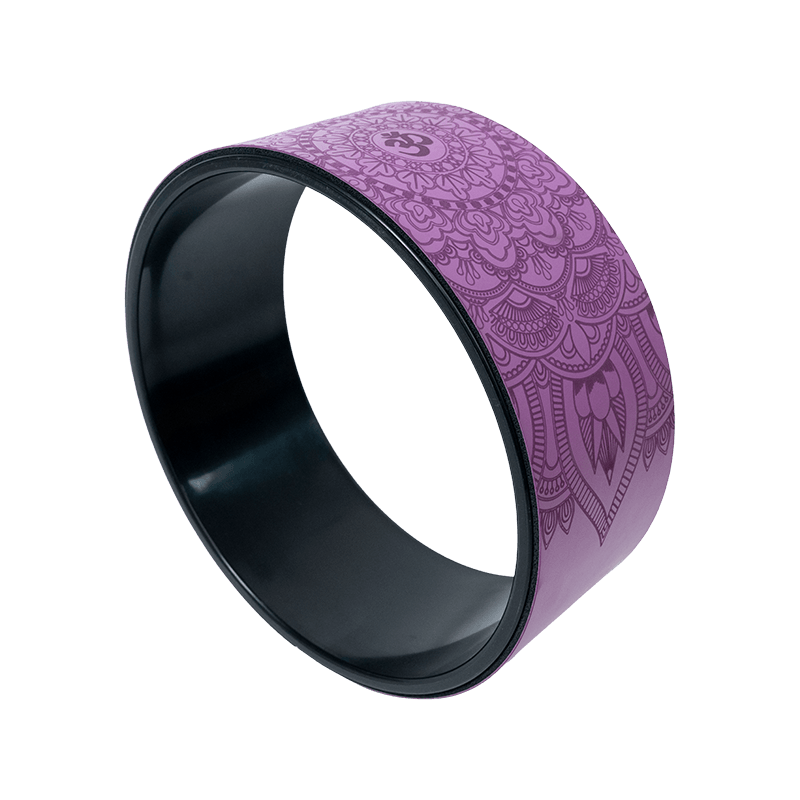
Attrezzatura per l'allenamento della parte inferiore del corpo
Attrezzatura per l'allenamento della parte inferiore del corpo encompasses a comprehensive range of machines and free-weight implements engineered to target the gluteal muscles, quadriceps, hamstrings, adductors, and calf complexes. This category includes leg press machines, hack squats, lying and seated leg curl units, leg extension benches, hip thrust platforms, multi-station cable systems with ankle attachments, and specialised rotary calf trainers. Each device incorporates linear bearings, cam-driven resistance profiles, and adjustable starting positions to accommodate varying limb lengths and joint mobility. The equipment is deployed in strength conditioning programmes, post-injury gait retraining, and sport-specific power development across athletic, clinical, and commercial fitness settings. Mechanical specifications include load cell compatibility, pin-selectable weight stacks, pneumatic assist mechanisms for eccentric overload training, and integrated digital feedback systems. Structural frames are fabricated from welded steel tubing with phosphate pretreatment and electrostatic coating to resist corrosion under high-humidity gym environments. The modular design allows for future upgrades, including motorised resistance and cloud-based performance tracking.
Profilo biomeccanico
L'attrezzatura presenta una curva di forza che rispecchia la relazione coppia-angolo degli estensori del ginocchio, con un picco di resistenza posizionato a 70 gradi di flessione. La geometria della camma è ottimizzata al computer utilizzando i dati di motion capture di oltre 500 soggetti. La resistenza di fase eccentrica può essere aumentata del 20% utilizzando l'impostazione dello smorzatore variabile, consentendo protocolli di sovraccarico avanzati senza modificare i dischi dei pesi. La relazione forza-velocità viene mantenuta attraverso un sistema di collegamento proprietario che riduce gli artefatti inerziali durante le ripetizioni rapide.
Compatibilità degli accessori
- Set di cinturini alla caviglia con fibbie a sgancio rapido per esercizi con cavi
- Pedane con texture superficiali intercambiabili per una maggiore presa
- Blocchi limitatori del range di movimento per l'allenamento con ripetizioni parziali
- Unità display digitale con connettività Bluetooth per il monitoraggio basato su app
- Sistema di contrappesi per ridurre il carico iniziale durante la riabilitazione
- Attacchi per rulli in schiuma per l'integrazione del rilascio miofasciale
Vantaggi fondamentali
- Percorsi delle camme ottimizzati dal punto di vista biomeccanico che si adattano alla curva di forza naturale degli estensori del ginocchio e dell'anca
- Articolazione indipendente degli arti per allenamento unilaterale e correzione delle asimmetrie di forza
- Perni pop a regolazione rapida con indicatori codificati a colori per le posizioni del sedile, dello schienale e del rullo per caviglie
- Trasduttori di posizione lineare integrati per feedback di allenamento basato sulla velocità
- Incrementi del pacco pesi di 2,5 kg consentono un sovraccarico progressivo preciso da 10 kg a 150 kg
- Aste di guida a basso attrito con boccole autolubrificanti per una resistenza costante in tutta la gamma di movimento
- Collegamento brevettato a quattro barre per l'innesto e il disinnesto fluido dei dischi peso
- Design con ingresso su due lati per dare priorità alla gamba sinistra e destra senza riposizionamento
Specifiche dettagliate
| Costruzione del telaio | Tubi in acciaio con parete da 3 mm per carichi pesanti con saldatura robotizzata e ricottura di distensione |
| Opzioni del pacco pesi | Piastre in ghisa con boccole in nylon, disponibili nelle configurazioni da 100 chilogrammi, 150 kg e 200 kg |
| Punti di regolazione | Altezza del sedile, angolazione dello schienale, profondità dell'imbottitura delle cosce, estensione del rullo della caviglia e camme di avvio/arresto |
| Meccanismo di resistenza | Sistema a doppio cavo e carrucola con cuscinetti a sfera sigillati e cavi rivestiti in poliuretano |
| Intervallo di altezza dell'utente | da 150 cm a 200 cm con impostazioni standard; portata estesa disponibile tramite adattatori opzionali |
| Ancoraggio al pavimento | Piastre di base preforate per installazione bullonata con cuscinetti antivibranti |
| Certificazione | Conformità EN 957-2 e ASTM F2276 per uso commerciale con marcatura CE |
| Requisiti di alimentazione | 220 V CA, 50-60 Hz, 2 A per console digitale e assistenza motorizzata |
| Temperatura operativa | Da 10 a 40 gradi Celsius con umidità senza condensa fino al 70%. |
Scenari applicativi
- Programmi di forza e condizionamento per atleti di atletica leggera incentrati sulla meccanica della partenza esplosiva
- Riabilitazione post-operatoria con inibizione del quadricipite mediante estensione a catena aperta a velocità controllata
- Sequenze di attivazione glutea per impiegati che presentano la sindrome crociata inferiore
- Allenamento eccentrico dei muscoli posteriori della coscia per la prevenzione degli infortuni nei giocatori di calcio e rugby
- Lezioni di fitness geriatrico che utilizzano leg press da seduti con carico ridotto e limitatori di portata
- Valutazioni della capacità funzionale che richiedono attacchi dinamometrici isometrici e isocinetici
- Addestramento del personale militare e tattico per la marcia caricata e l'eliminazione degli ostacoli
- Programmi di fitness adattivo per soggetti con protesi degli arti inferiori
Profili di resistenza comparativi
Interblocchi di sicurezza
- Meccanismo di arresto automatico che si attiva quando il carrello supera 1,2 metri al secondo
- Maniglia di sblocco di emergenza posizionata alla portata dell'utente seduto
- Fusibile di protezione da sovraccarico che disconnette l'assistenza motorizzata se la corrente supera i 15 A
- Pedane antiscivolo con bordi rialzati per evitare lo scivolamento del piede durante lo sforzo massimo
- Doppi microinterruttori che rilevano il corretto inserimento dei perni del peso prima del movimento
- Molla pneumatica a sgonfiaggio rapido per un ritorno sicuro alla posizione iniziale in caso di perdita di potenza
Requisiti di installazione
- Superficie del pavimento piana e non porosa con una resistenza alla compressione minima di 25 MPa
- Presa di alimentazione CA 220 V dedicata per componenti digitali e assistenza motorizzata
- Altezza minima del soffitto di 2,8 metri per i punti di attacco dei cavi aerei
- Accesso a una trave strutturale per il kit stabilizzatore opzionale montato a soffitto
- Illuminazione ambientale di almeno 300 lux per un funzionamento sicuro e la lettura dei dati
- Spazio sufficiente di 1,8 metri nella parte posteriore per l'accesso del personale di emergenza
Integrazione del programma di formazione
L'apparecchiatura può essere integrata in programmi periodici con regolazioni del microciclo. Il carico selezionabile tramite perno consente incrementi fino a 2,5 kg, facilitando la periodizzazione lineare. Le metriche di allenamento basate sulla velocità consentono l'autoregolazione; i dati del trasduttore possono essere esportati come file CSV per ulteriori analisi. Per le impostazioni del team, più unità possono essere collegate in rete a un tablet centrale per il monitoraggio del gruppo. Le routine preprogrammate per ipertrofia, forza, potenza e resistenza sono accessibili tramite l'interfaccia della console. Il sistema supporta anche profili utente personalizzati con monitoraggio della cronologia di caricamento individuale.
Tolleranza ambientale
- Intervallo di temperatura operativa: da 10 gradi Celsius a 40 gradi Celsius
- Tolleranza all'umidità relativa: dal 30% al 70% senza condensa
- Valutazione dell'altitudine: fino a 2000 metri senza declassamento delle prestazioni
- Grado di protezione: IP 20 per tutti i contenitori elettronici
- Livello di rumore acustico: inferiore a 65 dB al massimo carico
- Isolamento delle vibrazioni: supporti elastomerici integrati per ridurre la trasmissione al pavimento
Opzioni di personalizzazione
- Selezione del colore del telaio da una tavolozza di 20 finiture standard RAL
- Densità personalizzate della schiuma dell'imbottitura per categorie di peso utente inferiori a 80 kg, 80-120 kg e superiori a 120 kg
- Tabelle di carico incise al laser con posizionamento del logo
- Forme alternative del manubrio: varianti di impugnatura diritta, angolata o rotante
- Schermate di avvio personalizzate ed etichettatura delle unità per acquirenti istituzionali
- Picchetti aggiuntivi per stoccaggio peso per piastre esterne
Domande frequenti
Note operative
- Assicurarsi che i bulloni di ancoraggio al pavimento siano serrati a 120 Nm prima del primo utilizzo e ricontrollati trimestralmente
- Mantenere un'area libera di 1,5 metri davanti all'apparecchiatura per entrare e uscire in sicurezza
- Pulisci tutti i cuscinetti e i rulli con un disinfettante non corrosivo dopo ogni sessione per prevenire il degrado del materiale
- Non superare la capacità massima dello stack; aggiungere le piastre esterne solo ai picchetti di stoccaggio designati
- Eseguire un'ispezione visiva di tutti i perni e dei fermi a molla prima di ogni giornata di allenamento
- Conservare l'apparecchiatura in un'area climatizzata con umidità relativa inferiore al 65% per proteggere i componenti elettronici
- Utilizzare solo lubrificanti specificati dal produttore per preservare l'integrità della boccola
- Mantenere le fessure di ventilazione sull'alloggiamento del motore libere da polvere e detriti